
How Public Tender Addenda Change Bid-Winning Strategies
Learn how tender addenda affect bid economics, compliance, ownership, and proposal strategy—and how to manage changes without missed deadlines.
Why Tender Addenda Can Change the Economics of a Bid

When a public tender addendum is issued, it is rarely just an administrative update. A revised specification can alter quantities, approved materials, construction methods, staffing needs, or subcontractor requirements. A new eligibility rule may make an otherwise attractive opportunity non-compliant, while a deadline extension can create time for a stronger proposal—or give competitors more time to respond. These changes directly affect cost, risk, resource availability, and win probability.
The commercial impact is especially significant when teams rely on informal portal checks. Important information may be posted as a separate attachment, buried in a clarification log, or published without an obvious change to the opportunity summary. Bid managers must therefore treat tender addenda as potential changes to the bid strategy, not simply documents to download. The right response is to identify what changed, determine whether the change is material, and assess whether the opportunity still fits the company’s risk and margin expectations. A disciplined approach to public tenders protects proposal quality while reducing avoidable compliance failures and unprofitable commitments.
Assessing Materiality, Ownership, and Response Implications

A practical materiality review begins by classifying the change. Changes to scope, technical specifications, mandatory certificates, evaluation criteria, contract terms, eligibility, pricing schedules, or submission deadlines should receive immediate attention. Minor wording corrections may require only a record, but a revised insurance limit or new experience requirement can change the bid from viable to impossible. Teams should compare the latest source with the previous version and record the exact impact rather than relying on memory or a general portal notice.
Next, assign ownership. Commercial leads should assess price and margin; technical leads should review specifications and methodology; legal or compliance owners should examine eligibility and contract language; and the bid manager should control the response calendar. Each change needs a clear action, accountable person, due date, and decision status. This structure turns tender addenda into manageable work instead of scattered email traffic. It also improves proposal strategy by revealing where clarification is needed, where assumptions must be revised, and whether a no-bid decision is commercially sensible.
Building a Reliable Addenda Response Workflow
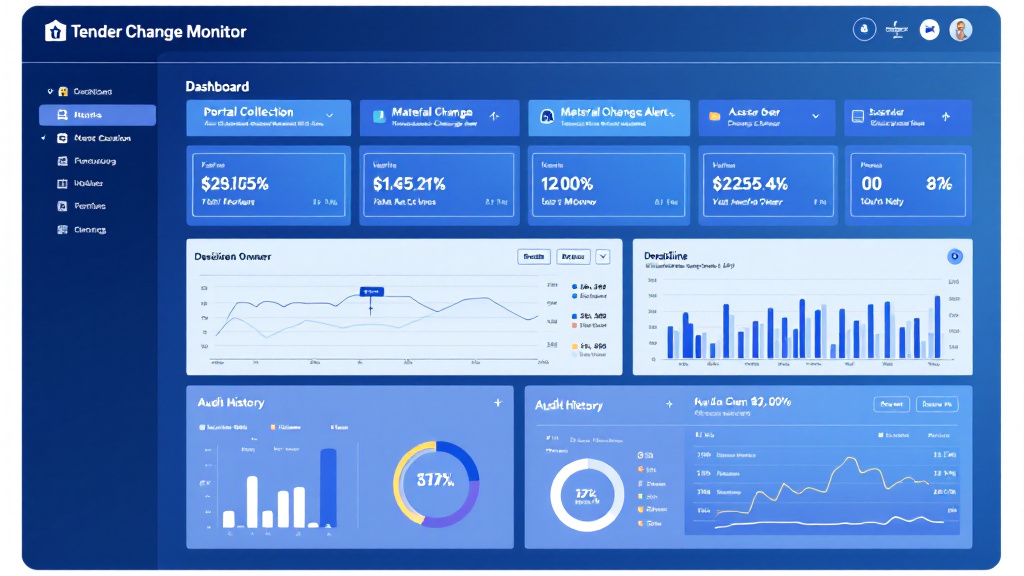
Winning teams treat change monitoring as an operating process rather than an individual habit. A reliable workflow collects supported public tender portals and downloadable attachments on a schedule, extracts standardized opportunity fields, and compares new source versions with earlier ones. The system should distinguish a new document from a modified document, summarize material differences, preserve the original source, and show when each version was retrieved. This creates an audit trail that supports internal review and protects the team when deadlines or requirements are disputed.
Alerts should then be routed according to opportunity ownership and change type. An estimator may need a notification about revised quantities, while compliance needs an alert about a new certificate and the bid manager needs confirmation of the submission deadline. Integrations with email, collaboration tools, CRM platforms, bid trackers, and project-management workflows help turn findings into completed actions. Tools such as TenderChange Intelligence support this process by reducing manual portal checks and surfacing commercially important changes. The result is not merely faster administration; it is better bid judgment, fewer proposal losses, and a more defensible public tender strategy.